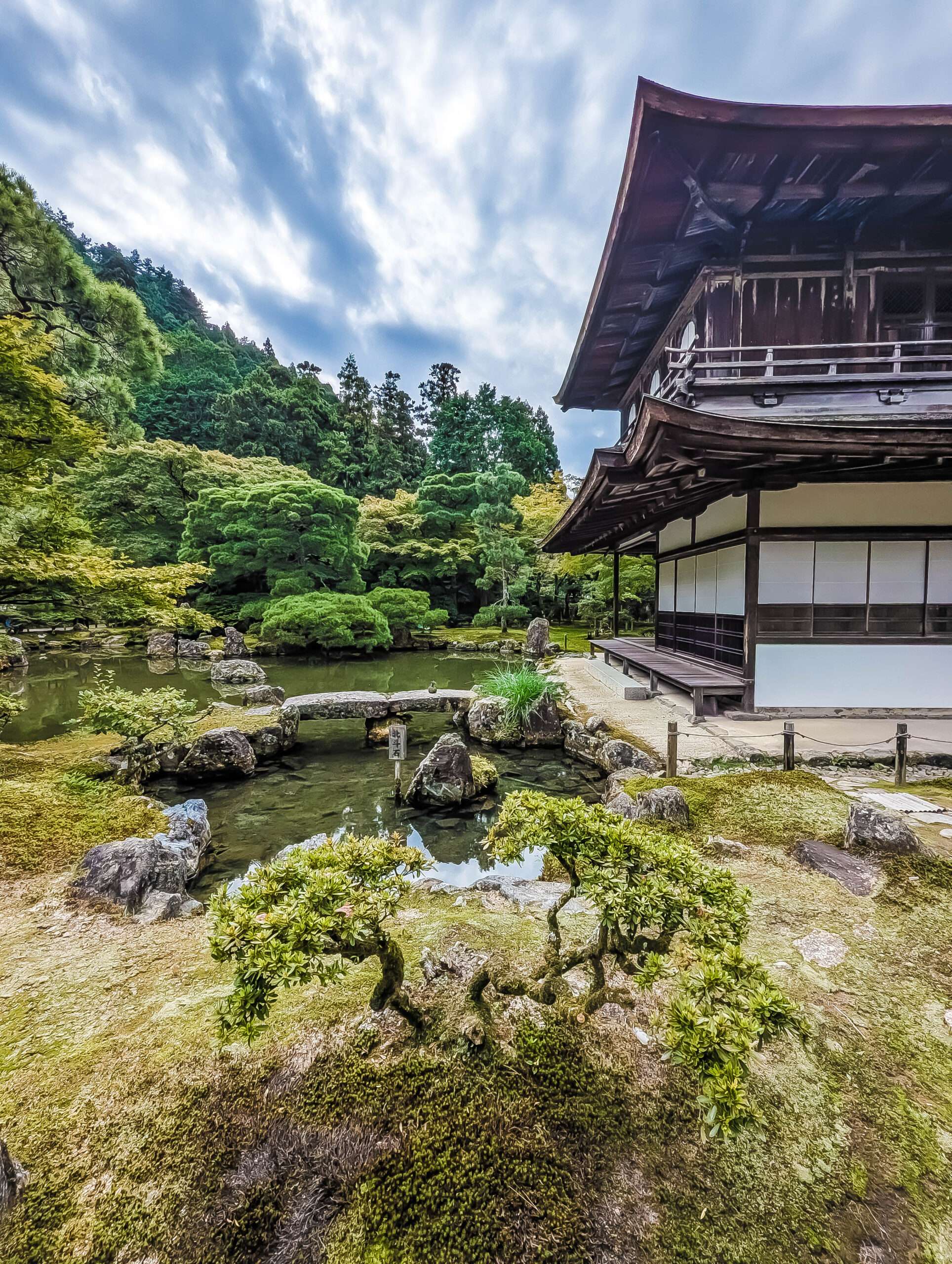
Japan is one of the easiest countries in the world to travel through—and one of the easiest to misunderstand.
First-time visitors often arrive with a mix of idealized expectations and logistical assumptions that don’t quite hold up once on the ground. Most mistakes aren’t dramatic. They’re subtle, cumulative, and easily avoided with a shift in mindset.
1. Trying to See Too Much
Japan rewards depth, not breadth. Packing too many destinations into a short trip often means spending more time on trains than in places. Cities like Tokyo and Kyoto are not single-day stops; they are layered environments that take time to absorb.
Choosing fewer bases and staying longer pays off.
2. Assuming Old Routes Still Exist as Routes
Historic names like Nakasendō and Tōkaidō suggest continuous, preserved roads. In reality, what remains are fragments—post towns here, stone paths there—interrupted by modern development.
This matters whether you’re walking, cycling, or driving. Expecting a continuous historic road leads to frustration. Accepting fragmentation leads to better decisions.
I address this head-on in Cycling the Old Roads of Japan, especially for travelers considering long-distance routes.
3. Underestimating Crowds—and Overestimating Tolerance
Japan handles crowds efficiently, but that doesn’t make them pleasant. Temple districts, transit hubs, and popular neighborhoods can be overwhelming, especially at peak times.
The mistake isn’t encountering crowds—it’s failing to plan around them. Early mornings, weekdays, and off-season travel make a dramatic difference.
4. Treating Transportation as the Experience, Not the Tool
Shinkansen travel is efficient and impressive, but hopping between cities without time to decompress can make Japan feel rushed and transactional. Local trains, walking, and cycling reveal far more texture.
Movement should support experience, not replace it.
5. Romanticizing Everything
Japan is not a theme park version of its past. It is modern, dense, functional, and sometimes messy. Convenience stores, expressways, tunnels, and suburbs are part of the landscape.
Accepting this makes the moments of beauty—temples, gardens, quiet streets—far more meaningful.
6. Ignoring Weather and Seasonality
Rain, heat, and humidity shape Japan more than many guidebooks admit. Autumn and spring are popular for good reason, but even then, weather can surprise you.
Build flexibility into your plans.
7. Thinking You’ll “Understand” Japan on One Trip
You won’t. And that’s not a problem.
Japan reveals itself slowly, across repeated visits and changing contexts. The goal of a first trip isn’t mastery—it’s orientation.
For travelers interested in moving through Japan at a human pace, with all its contrasts intact, I explore these themes in Cycling the Old Roads of Japan, tracing a full journey from Tokyo through Kyoto and back.
The biggest mistake isn’t getting something wrong. It’s rushing past what Japan quietly offers when you give it time.